TIRE OFFER
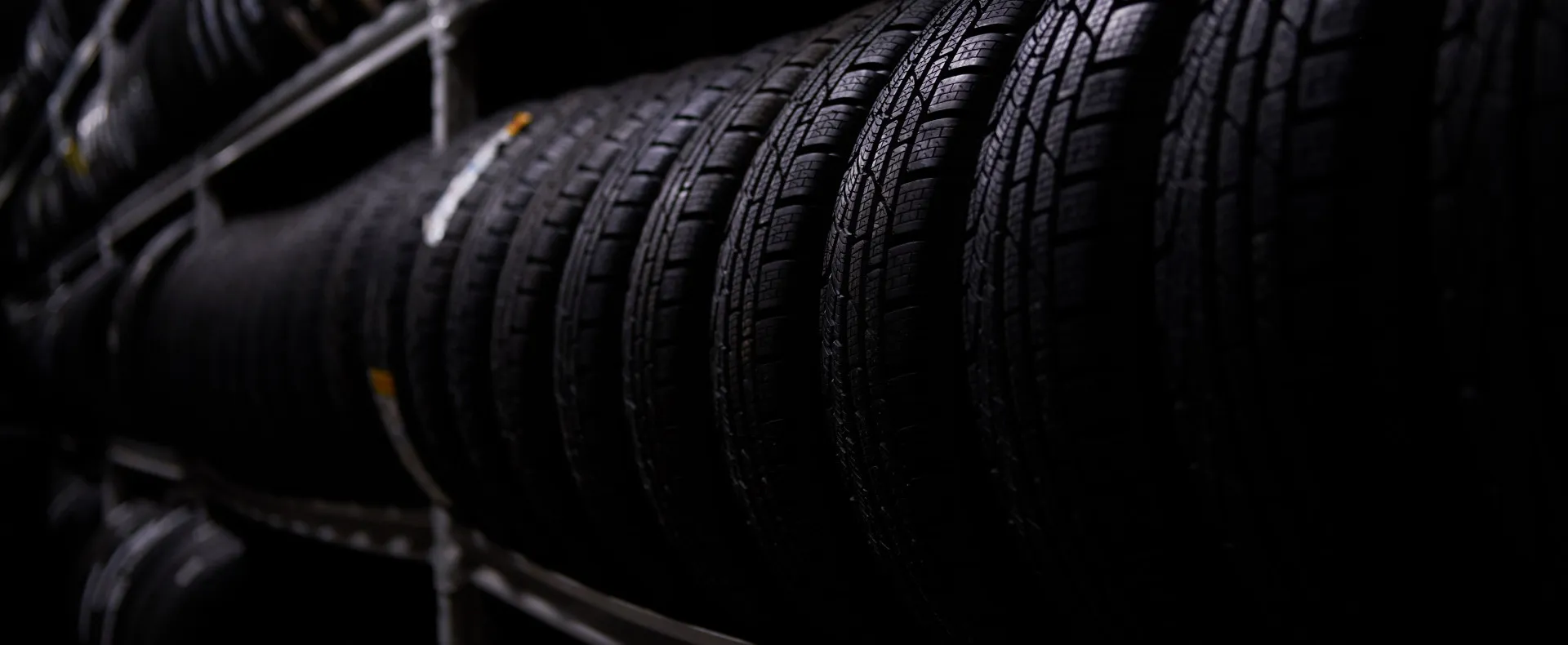
We offer new and used tires for all types of vehicles — passenger cars, agricultural machinery and trucks.
- New and usedTires for passenger cars, agricultural machinery and trucks.
- Fitting on the spotWe fit and balance your tires straight away, in our workshop.
- Size matchingAll we need is the make and model, or the size from your registration document.
- Checked used tiresEvery used tire goes through a tread and sidewall check.
FOR PASSENGER CARS
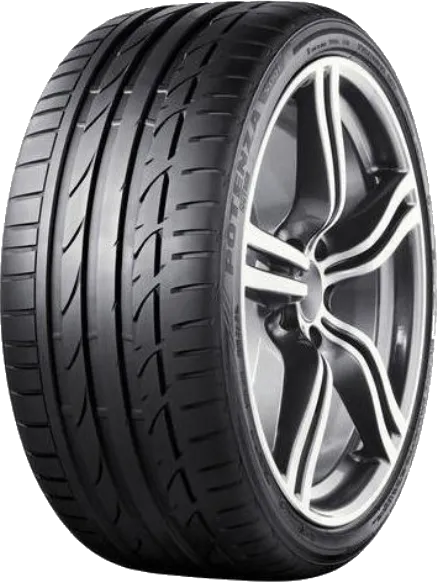
Correctly chosen, good-quality tires are the foundation of safety. Our range includes winter, summer and all-season tires.
What’s the difference between summer and winter tires?
At first glance, a less experienced driver might say there isn’t one. Dig a little deeper, though, and the difference turns out to be significant — starting with the rubber compound itself.
Rubber compound
Winter rubber contains more natural rubber, which keeps it soft even in freezing temperatures. This preserves grip and safety in difficult weather conditions. Summer compounds harden quickly in low temperatures, severely limiting how well they work.
Tread pattern
The other difference is the tread pattern. Winter tires have a deeper tread that lets snow pack into it and bond with the snow on the road, greatly improving grip. A high number of fine grooves (sipes) helps the tire bite into snow and break up ice.
On a fully dry surface, the best performance comes from sport “slick” tires — a flat tread with no grooves at all, which maximizes contact with the asphalt. Without any sipes, though, they’re useless in the rain and can’t be used on public roads. Summer tires are a compromise: maximizing road contact while still keeping enough grooves to channel water away.

FOR AGRICULTURAL MACHINERY
Want to speed up fieldwork, or looking for a replacement for a worn-out tire? Whatever brought you here — you’re in the right place.
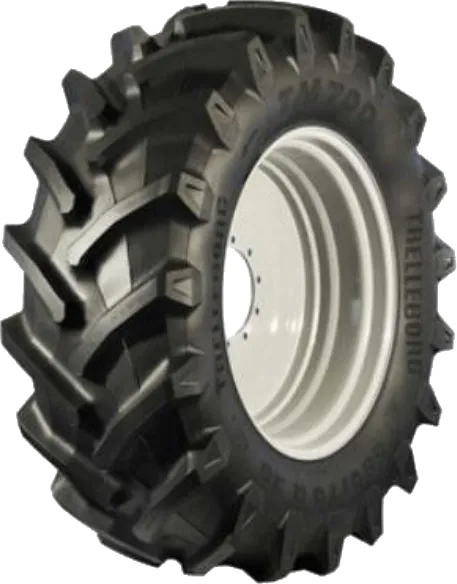
It’s not just the tractor’s equipment that determines how well fieldwork goes. Professional tires play an equally important role, improving both safety and comfort during agricultural work. Choosing the right tread pattern and construction has a real effect on the machine’s efficiency.
Which tread for which job?
R1
The classic “chevron” pattern — works best on soft, moist ground, self-cleans well and provides good traction in the field.
R1W
A wider variant of R1 with a larger contact area — lower ground pressure, so it’s better where minimizing soil compaction matters.
R2
An even deeper, denser pattern — for machines working in very difficult, waterlogged terrain, e.g. in forestry.
Radial or bias-ply?
Radial
Flexes better under load, giving a larger contact patch, less soil compaction and a longer service life — today’s standard on modern tractors.
Bias-ply (diagonal)
Cheaper and more resistant to sidewall damage, so it still holds up well on working machines exposed to hard ground, stones or stubble.
When choosing an agricultural tire, the load index matched to the machine’s weight with attachments is also key — too low an index leads to tire overload, faster wear and a higher risk of failure during fieldwork.
FOR TRUCKS
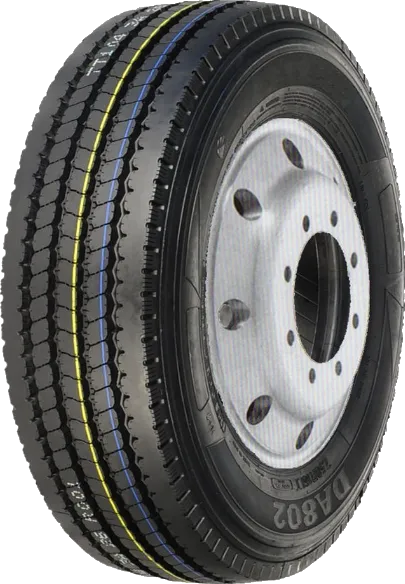
We offer the best range of truck tires. Customers can choose tires for international, regional and construction transport — new and used.
Trucks operate in a wide range of conditions, which is why the market offers many types and sizes of truck tires suited to different uses. Following a few simple recommendations is often enough to avoid tire damage.
How to avoid tire damage?
Visual inspection
Regularly check the tread, sidewall and rim for unusual wear or damage.
Correct pressure
Incorrect pressure affects tire performance and can increase stopping distance and fuel consumption. Underinflation — through excessive load on the shoulders and sidewalls — can also stop the carcass from being retreaded later.
Load as recommended
Follow the manufacturer’s recommendations for loading — an incorrect wheel width relative to the tire leads to excessive pressure and, as a result, faster wear.
Frequently asked questions about tires
How often should I check my tire pressure?
At least once a month and before any longer trip — check pressure when the tires are cold, ideally in the morning before driving.
Can I buy just a tire from you, without fitting?
Yes, but we recommend fitting and balancing on the spot — that’s the only way to guarantee the tire is mounted and balanced correctly.
What’s the difference between new and used tires in your offer?
Used tires go through a tread and sidewall condition check with us — only tires in good technical condition make it to the shelf, at a reasonable price.
Can you help me choose the right tire size for my car?
Yes — just give us your vehicle’s make and model (or the original size from your registration document) and we’ll match the right tires.
How long does a full set of tires take to change?
A standard four-wheel change with balancing usually takes around 30-45 minutes — where possible, we try to book a specific time slot to keep your wait as short as possible.
BOOK AN APPOINTMENT NOW
Fill in the contact form and our staff will get back to you within 24h.
Go to contact